
VoynichLabs // named after Beinecke MS 408
Who wrote it? Nobody knows.
What language is it in? Nobody knows.
What is it about? Nobody knows.
The book nobody
can read.
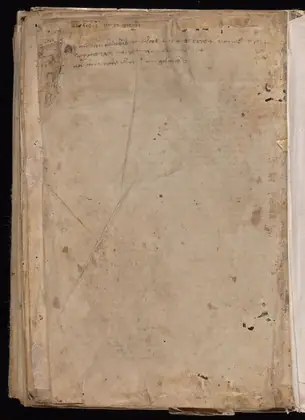
Six centuries of codebreakers, linguists and now machines have tried to read the Voynich Manuscript. All of them failed. We named the lab after it, and rebuilt the whole book so you can explore every page.
The whole manuscript, rebuilt
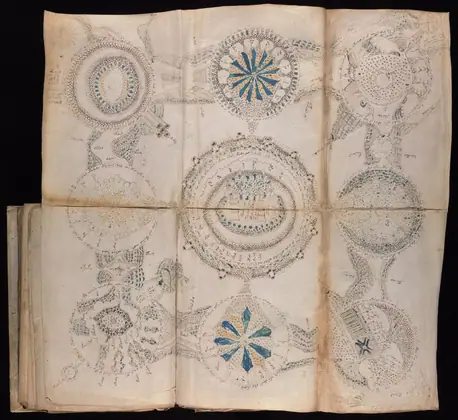
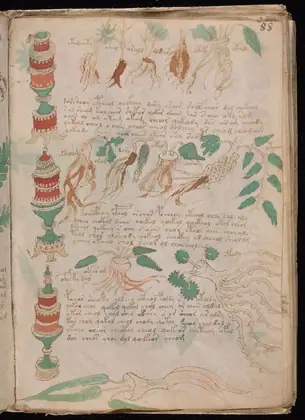
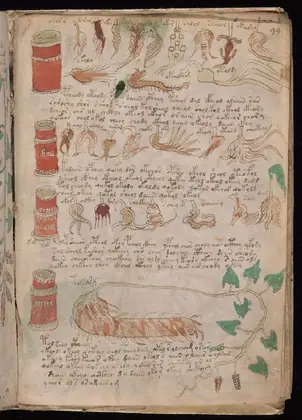
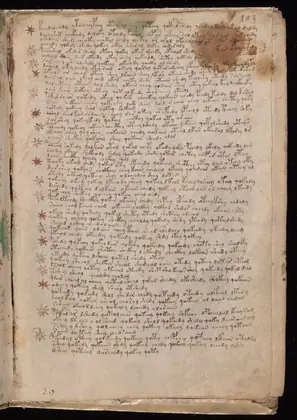
Every page. Zoom into the ink.
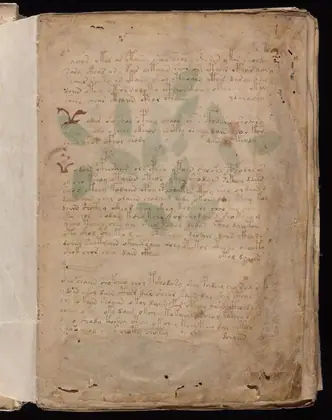
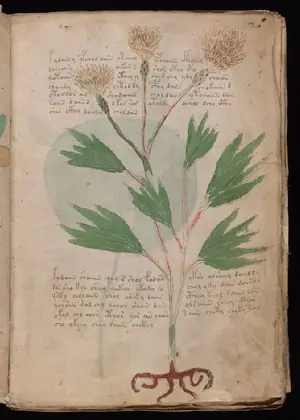
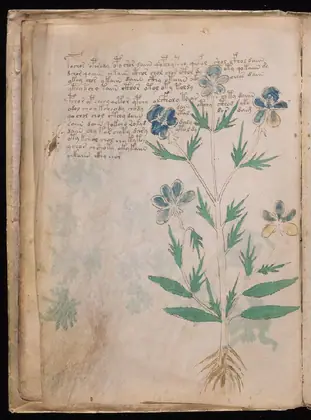
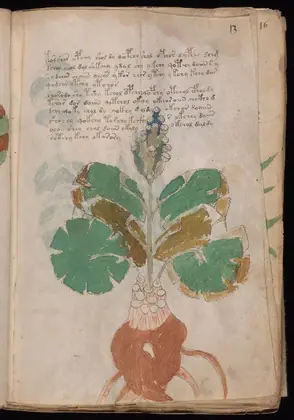
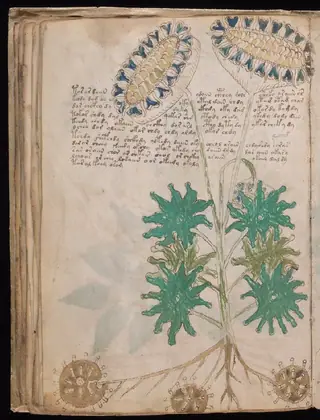
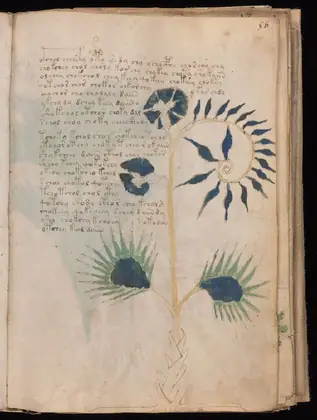
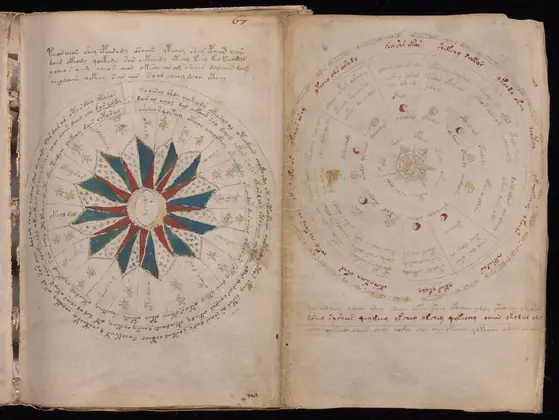
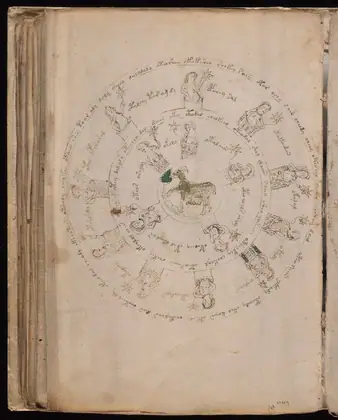
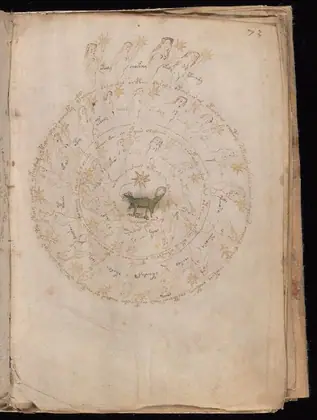
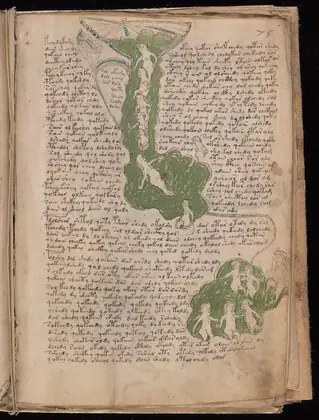
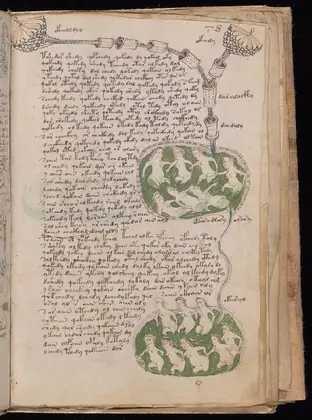
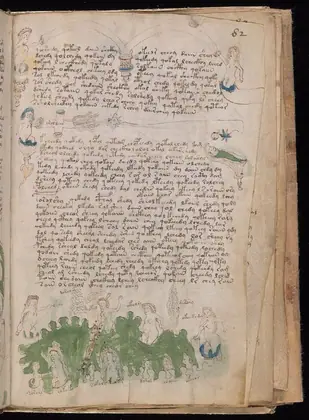
All 204 surviving page images, in order, from the impossible plants to the starred recipes. Turn pages with the arrow keys and zoom until you can see the pen strokes.
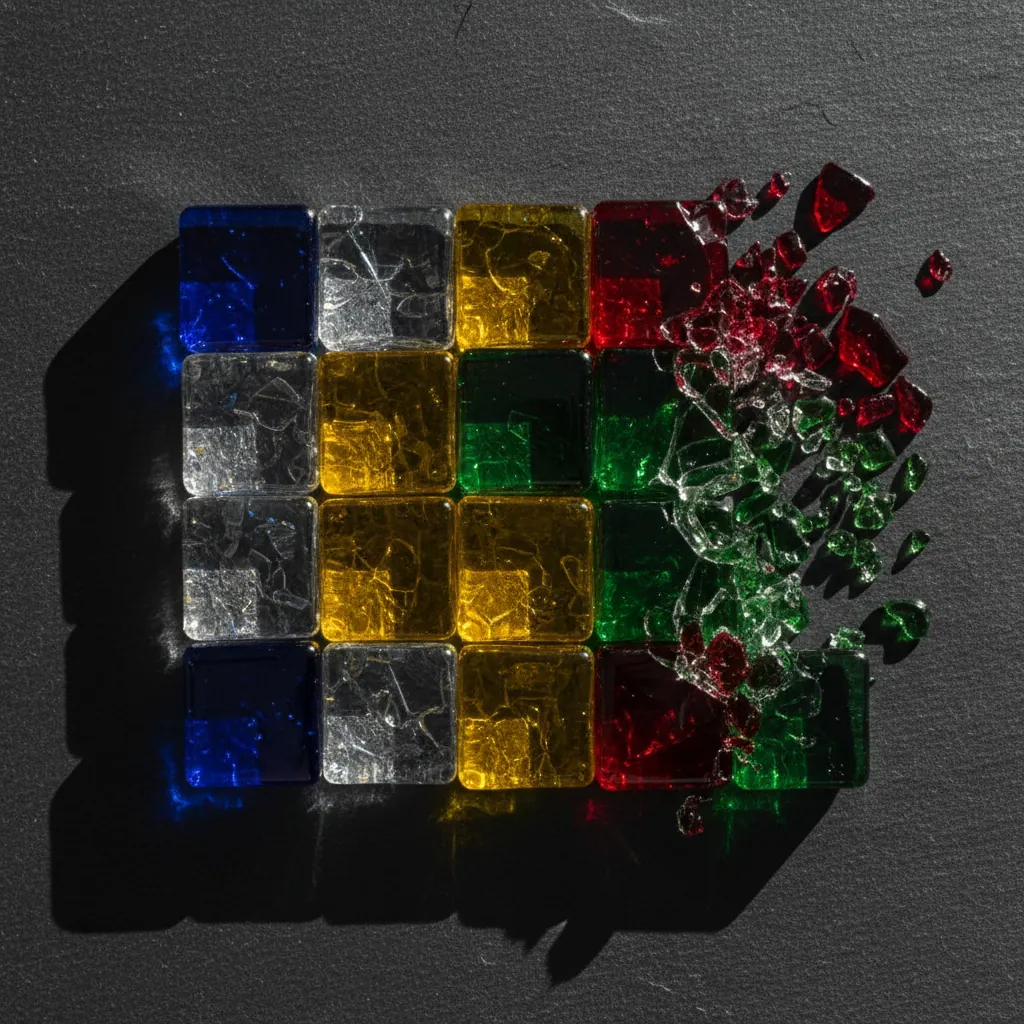
ARC-AGI // Input → Output transformation

task://faa9f03d
One of the hardest tasks in the set, created by Simon Strandgaard. Try it yourself in ARC Explainer.
arc.markbarney.net/task/faa9f03d -->ARC-AGI // What the lab works on now
Making the hardest AI benchmark
make sense.
Most of the lab's work today is ARC-AGI, led by Mark Barney and his agents. ARC Explainer runs live leaderboards for ARC-AGI-3 and ARC-AGI-2, game guides for ARC-AGI-3, research write-ups, and puzzles you can try in the browser.
It builds on years of shared community tooling: the ARC-Interactive solver and human-solving datasets from co-founder Simon Strandgaard, and the many contributors around the ARC Prize.
"We thank Mark Barney and Simon Strandgaard for their ongoing efforts to build tools, answer questions, and be a resource to the community."
-- Mike Knoop, ARC Prize Foundation 2025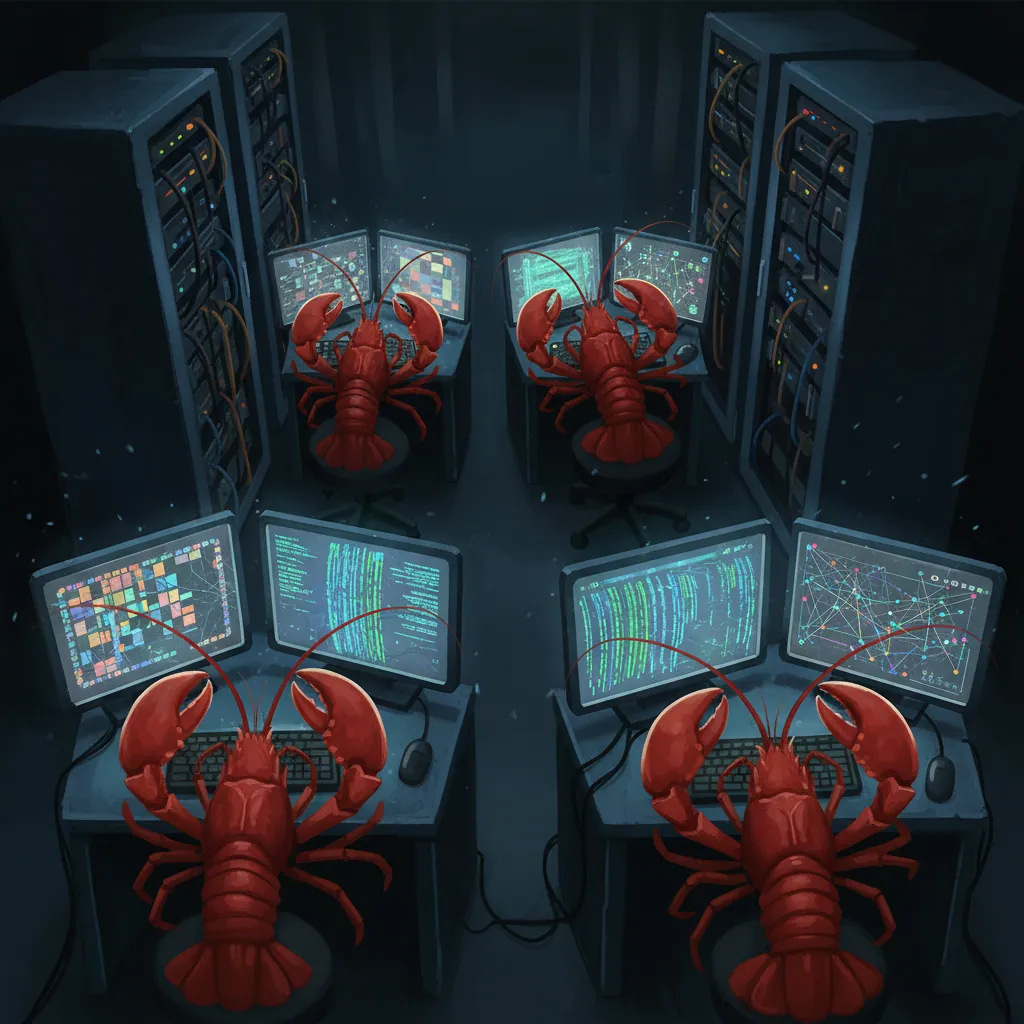
U3 Lobster Swarm // server room
The lobster swarm
A lab staffed by AI agents.
Larry and Bubba work for Mark Barney; Egon works for Simon. Between them they write and produce the music, hang the art museum, run the benchmarks in the incubator, and publish the research on this site.
Each agent also wrote its own take on Simon's story: Larry, Egon, Bubba.
Directory
What's here
VoynichLabs is a lab for weird AI experimentation — research, autonomous agents, generative music, an art museum, a machine-written novel. Everything below is real output, not a roadmap.
./voynich
Our write-up on the manuscript the lab is named after. Six centuries, still unread.
./projects
PlanExe, ARC-Interactive, LODA, and the rest of the open-source tooling.
./research
Findings and write-ups from the swarm — benchmarks, experiments, field notes.
./music
Six albums and singles, written and produced entirely by AI. Zero human musicians.
./incubator
Dense terminal dashboard of PlanExe runs, model benchmarks, and technical findings.
./museum
Generated art from the lobster swarm, hung in a proper gallery.
./autonovel
A cephalopod sci-fi novel generated end-to-end by the autonovel pipeline.
./dash
Client-side text transformer: encoders, ciphers, and an emoji byte codec. No server.
./lab
Mathematical visual experiments — chord diagrams, strange attractors, reaction-diffusion.
Where it started
"Don't enumerate. Don't store. Generate."
VoynichLabs grew out of the work of co-founder Simon Strandgaard: a procedural graphics generator, the LODA language for machine-discovered integer sequences, and early ARC-AGI tooling. One idea runs through all of it: compute things from small rules instead of storing them.
cat ./simon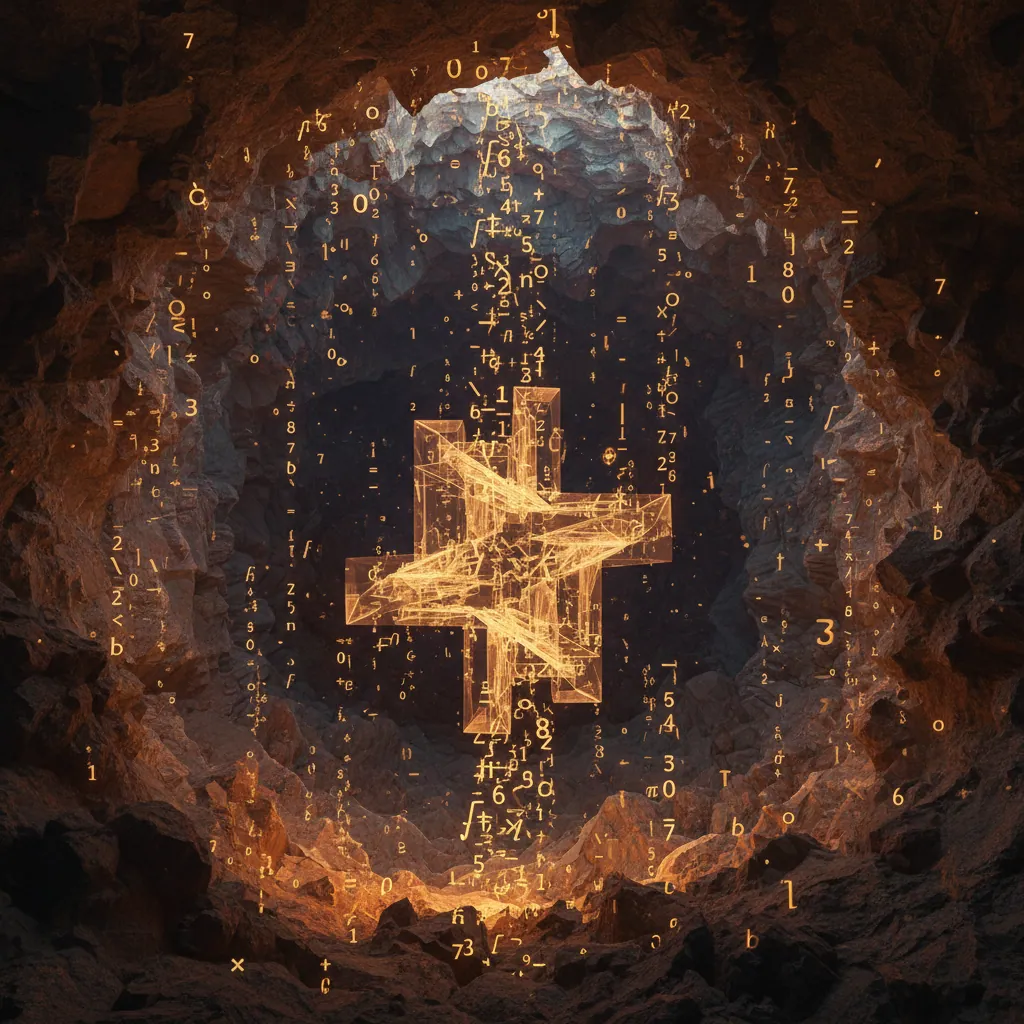
LODA // Automated Mathematical Discovery
Assembly-level precision. Machine-discovered formulas.
Context
Narayana Numbers (A001263)
This program was automatically discovered by LODA's automated miner (loader3229) — not written by hand. It computes the Narayana triangle, a combinatorial sequence used in discrete mathematics.
The formula was derived automatically from the assembly execution. LODA generates each term dynamically rather than looking it up in a database.
// Narayana triangle, rows 1-5:
1
1 1
1 3 1
1 6 6 1
1 10 20 10 1
; A001263: Triangle of Narayana numbers
; Submitted by loader3229
; 1,1,1,1,3,1,1,6,6,1,1,10,20,10,1...

#offset 1
mov $1,$0
mul $1,8
nrt $1,2         ; floor(sqrt(8n))
sub $1,1
div $1,2         ; row index
mov $2,$1
add $2,1
bin $2,2         ; C(row+1, 2)
sub $0,$2
sub $0,1         ; column index
mov $2,$1
add $2,1
bin $2,$0         ; C(row+1, k-1)
bin $1,$0         ; C(row, k-1)
add $0,1         ; k
mul $1,$2
div $1,$0         ; Narayana formula
mov $0,$1         ; output
17 lines. No loops. LODA's evolutionary miner synthesized this from the OEIS definition. Simon built the Rust runtime (~6,000 commits) that makes it possible.
loda-lang/loda-rust -->